Selling the Unscripted: Why Fans Pay Top Dollar for a Peek Behind the Curtain
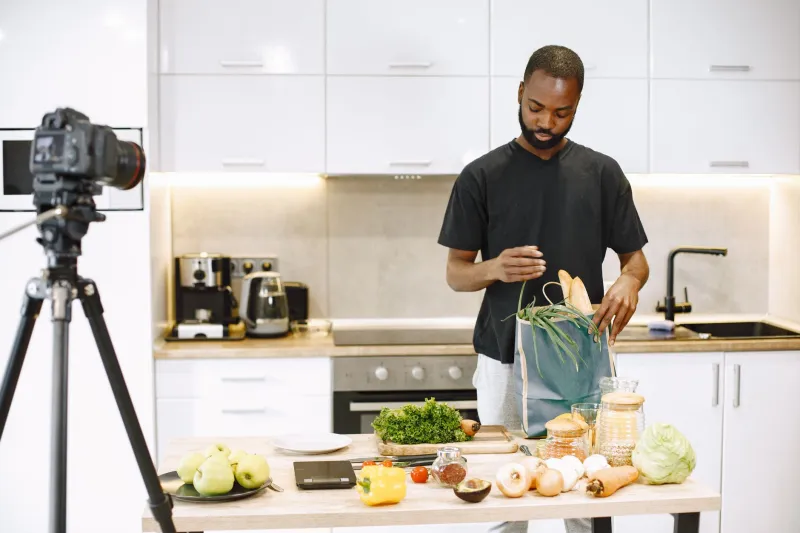
There's a moment in almost every successful creator's career where they make a decision — sometimes consciously, sometimes not — to let people in. Not the polished, PR-approved version of themselves. The other one. The one who cries on camera, overshares about a bad week, or posts a no-makeup selfie with a caption that reads like a journal entry.
And almost without fail, that moment performs better than anything they've ever put out.
We're living in the golden age of performed intimacy, and it is absolutely a business model.
The Economics of "I'm Just Being Honest With You"
Let's call it what it is: the creator economy has discovered that emotional access is a premium product. Platforms like Patreon, Substack, and even OnlyFans (yes, for plenty of non-explicit creators) have built entire revenue structures around the idea that fans will pay for closeness. Not just content — closeness.
And the numbers back it up. Patreon reported that its top creators earn well into six figures annually, with the highest earners often being those who offer tiers promising things like "personal updates," "unfiltered thoughts," or "behind-the-scenes access." It's not the polished podcast that gets the $25-a-month subscriber. It's the raw voice memo from the car.
The psychology here isn't complicated, but it is fascinating. Parasocial relationships — those one-sided emotional bonds fans form with public figures — aren't new. We've had them with movie stars since Hollywood's golden era. What's new is that the internet has made those relationships feel reciprocal. A creator who replies to your comment, who shares that they're going through a divorce, who films themselves ugly-crying over a creative block — that person doesn't feel like a celebrity. They feel like a friend.
And we spend money on our friends.
Case Study: The Confessional Creator
Take someone like Brittany Broski, who built her following on the kind of chaotic, self-deprecating humor that made fans feel like they were texting their funniest friend. Or consider Emma Chamberlain, who essentially invented a genre of YouTube content that felt like a sleepover conversation — rambling, imperfect, weirdly intimate. Both of these women turned "being real" into multi-million dollar brands.
Emma's trajectory is particularly instructive. She started out posting videos that looked accidentally unpolished — jump cuts, self-interruptions, talking directly to the camera like she forgot it was there. Brands noticed that her audience trusted her in a way that traditional influencers couldn't manufacture. That trust translated into a Louis Vuitton partnership and her own coffee company, Chamberlain Coffee, which reportedly crossed $10 million in revenue.
The "authenticity" was always partially constructed. Emma has said herself that she thinks carefully about what she shares and what she doesn't. But that careful curation never fully broke the spell for her audience, because the feeling of access was real enough.
Where the Line Gets Blurry
Here's where it gets complicated, and honestly, a little uncomfortable to sit with.
If a creator is strategically deciding which vulnerable moments to share, timing their emotional disclosures for maximum engagement, and packaging their personal pain into content that generates ad revenue — is that authenticity? Or is it just a more sophisticated form of performance?
The honest answer is: both, probably. And that's not necessarily a condemnation.
Actors perform emotions for a living and we don't accuse them of being fake. Musicians write deeply personal songs and sell them as albums. The difference is that the creator economy has collapsed the distance between the art and the artist. When you're the product, the line between sharing and selling gets genuinely hard to locate.
What's worth examining is the asymmetry in these relationships. The fan feels like they know the creator. The creator knows their demographic. One of those is a relationship; the other is a business strategy. Neither is inherently wrong, but pretending they're the same thing does a disservice to everyone.
The Burnout Tax
There's also a real human cost to building a brand on your inner life. Plenty of creators have spoken publicly about the exhaustion of having to monetize their emotional states — the pressure to perform vulnerability even when you'd rather just be private. Hank Green, one half of the beloved Vlogbrothers duo and a creator who's been remarkably transparent about his own struggles, has talked about the strange grief of realizing your personal moments have an audience waiting for them.
When your breakdown becomes content, what happens to the breakdown? Does it get processed, or does it get packaged?
Some creators have started pushing back. There's been a quiet but noticeable trend of popular figures pulling back from the "authentic" content model — posting less, sharing less, reclaiming some private interior life. Interestingly, their audiences often respond with more respect, not less. Turns out, knowing someone has limits makes them feel more real, not less.
Why It Works Anyway
For all the philosophical hand-wringing — and I include myself in that — the authenticity economy keeps growing because it's filling a genuine need. Americans are lonely. We're more digitally connected and more socially isolated than at any point in recent history. The parasocial bond isn't a delusion; it's a response to a real deficit.
When someone's going through a hard week and a creator they follow posts a video saying "me too, here's what I'm feeling" — that lands. It matters. The fact that the creator might also be monetizing that moment doesn't automatically cancel out its impact on the person watching.
The magic trick of the creator economy is that it can be simultaneously calculated and genuine. Both things can be true. A creator can be strategic about their vulnerability and still actually be vulnerable. The performance and the person don't have to be mutually exclusive.
What we probably need, as an audience, is just a little more clarity about which one we're watching at any given moment — and maybe a little more grace for the fact that sometimes even the creator isn't entirely sure.