Forget the Highlight Reel: Why the Messy Middle of Making Things Is What Fans Actually Want
I've been thinking a lot lately about autographs. Not in a nostalgic way — more in a "what were we actually looking for?" kind of way. Standing in line for a signature, or jostling for position at a stage door, was never really about the piece of paper. It was about proximity. About a moment, however brief, of genuine contact with someone whose work had moved you.
That impulse hasn't gone away. But the way it gets satisfied has changed completely.
The Era of the Finished Product Is Over (Kind Of)
For most of entertainment history, the relationship between creator and audience was one-directional and deliberately opaque. You got the movie, the album, the performance. What happened in the studio, on set, in the rehearsal room — that was behind the curtain, and it stayed there. The mystique was part of the product.
And then social media happened. Then YouTube happened. Then TikTok happened. And slowly, almost without anyone planning it, the curtain started to come down.
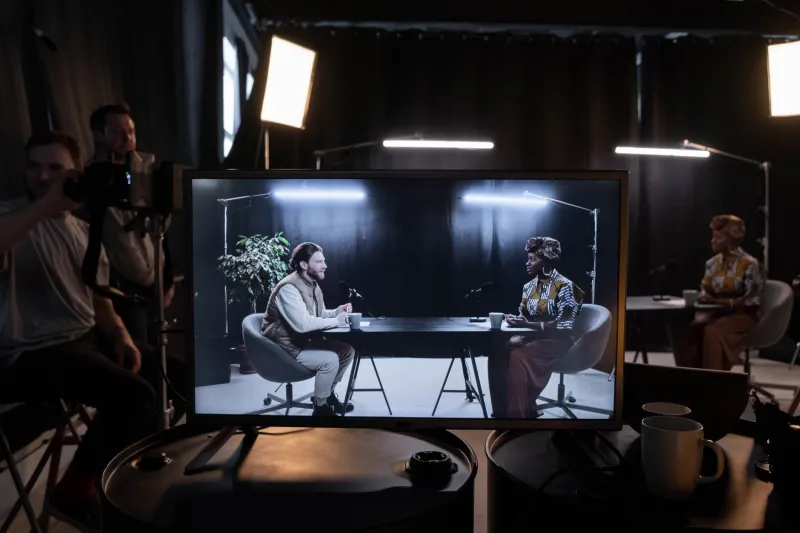
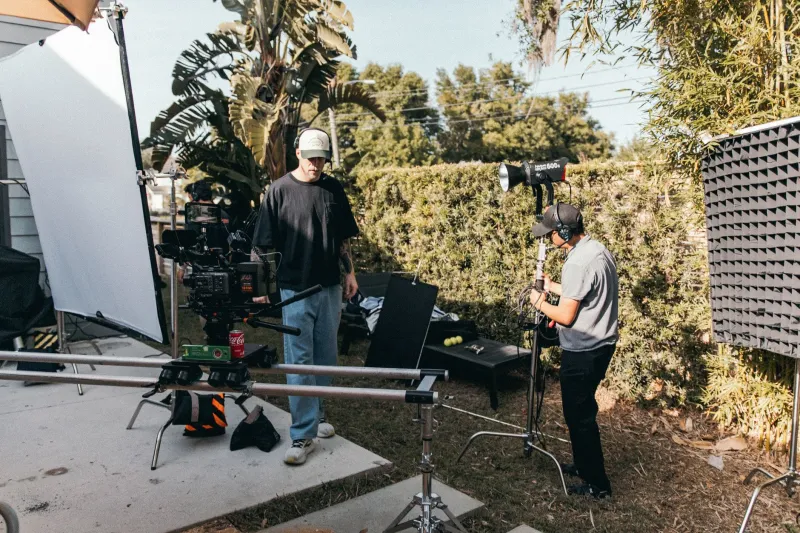
Now, some of the most-watched content from major entertainers isn't the work itself — it's the work in progress. Studio sessions posted to Instagram Stories. Actors running lines on their phone cameras. Musicians sharing the version of a song that almost didn't make the cut. Filmmakers documenting the unglamorous reality of being on location at 4 a.m. in the rain.
And audiences? They're eating it up.
What's Actually Going On Here
I don't think this is just a trend. I think it reflects something real about what people are looking for from the entertainers they follow.
We've been sold so many perfect images for so long that the imperfect ones feel almost radical. When a musician shares a voice memo of a half-formed song idea, they're not just giving you content — they're inviting you into their creative process. They're saying: this is what it actually looks like before it becomes the thing you'll stream. That's an act of trust, and audiences respond to trust.
There's also a psychology at play here that goes beyond entertainment. Watching someone struggle, iterate, and eventually figure something out is deeply satisfying in a way that watching the finished, polished product often isn't. It mirrors our own experience of making things — the false starts, the moments of doubt, the small victories that nobody else sees. It makes the creator feel human. And humans, it turns out, connect with other humans far more readily than they connect with icons.
The Creators Who Get It
Some entertainers have built entire communities around this principle. Think about how certain musicians have used platforms like Patreon or Substack to share early demos, writing journals, and candid reflections on their creative process. Or how actors like Quinta Brunson have been remarkably open about the development of projects like Abbott Elementary — sharing the grind alongside the glory in a way that makes the eventual success feel earned and shared.
On the film side, directors who document their projects extensively — not just for press, but genuinely for their audience — build a different kind of loyalty. When fans have watched someone fight for a project, navigate budget constraints, or rework a scene that wasn't landing, they show up for the release differently. They're not just watching a movie. They're seeing the end of a story they've been following.
This is the new autograph. It's not a signature on a piece of paper — it's access. It's the sense of having been there, in some small way, while something was being made.
The Authenticity Trap (And How to Avoid It)
I want to be honest about something, though: there's a version of this that's completely cynical. Behind-the-scenes content can absolutely be manufactured, strategically deployed, and just as artificial as any polished press release. A "candid" Instagram Story that's been carefully lit and edited is still a performance, even if it's pretending not to be.
American audiences are getting pretty good at sniffing that out. The behind-the-scenes content that actually builds connection tends to have a specific quality — it's slightly uncomfortable, slightly unresolved, a little too honest to have been fully planned. The stuff that looks too good, that hits all the right emotional beats with a little too much precision, tends to land differently. Flatter. More like advertising.
The creators who do this well are the ones who seem to share things because they genuinely want to, not because their social media manager told them it would boost engagement. That distinction is harder to fake than you'd think.
What This Means for the Entertainment Industry
Here's my honest opinion: traditional celebrity marketing is going to have to reckon with this shift in a serious way. The model of releasing a trailer, doing a controlled press tour, and hoping the finished product speaks for itself is increasingly insufficient — not because it's bad strategy, but because audiences now have a reference point for something more.
They've seen what it looks like when a creator truly lets them in. And once you've experienced that kind of connection, the polished distance of traditional celebrity PR can feel a little cold.
The entertainment industry is, at its core, a storytelling industry. The smartest people in it are realizing that the story of making the thing is just as compelling — sometimes more compelling — than the thing itself. The process is the content. The mess is the message.
And honestly? As someone who loves this industry and has spent a lot of time thinking about how stories get told and why they land, I find that pretty exciting. It means the bar for connection has gotten higher — and that's good for everyone.
The highlight reel still matters. But the messy middle is where the real relationship happens.